Book Appointment Now
Best Slip Disc Treatment in Basti: Causes, Symptoms, Diagnosis & Effective Treatment
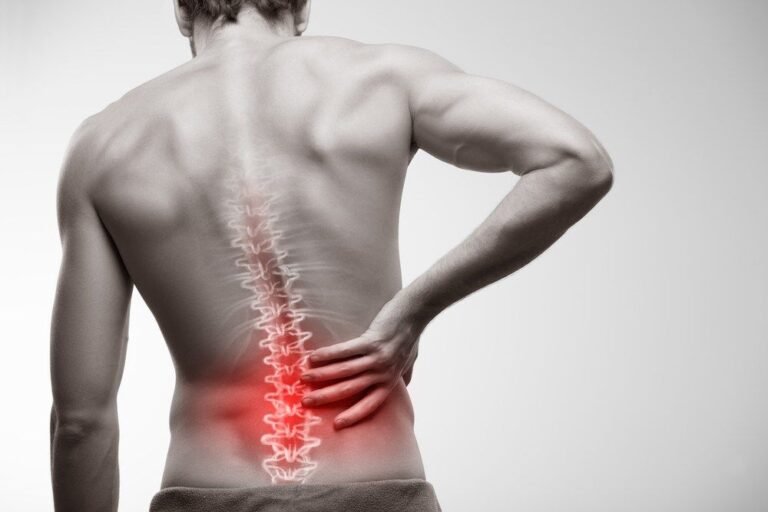
Back pain is one of the leading causes of disability worldwide, and one of its most common causes is a slip disc, also known as a herniated disc or prolapsed intervertebral disc (PIVD). A slip disc can cause severe lower back pain, neck pain, numbness, tingling, and even weakness in the arms or legs if left untreated. While many people associate a slip disc with aging, it can affect adults of all ages due to poor posture, heavy lifting, injuries, or degenerative changes in the spine.
If you’re looking for top-notch slip disc care in Basti, finding a hospital with experienced spine doctors, modern testing tools, and good recovery support is key. Sapna Hospital, Basti provides complete care for slip discs—offering everything from gentle non-surgical treatments and physical therapy to surgery if it’s really needed. Plus, they accept the Ayushman Bharat (PM-JAY) Card to make high-quality medical care affordable and accessible for eligible patients.
This comprehensive guide explains everything you need to know about slip disc, including its causes, symptoms, diagnosis, treatment options, prevention, and recovery.
What is a Slip Disc?
The spine is made up of bones called vertebrae, separated by soft cushions known as intervertebral discs. These discs act as shock absorbers, allowing flexibility and protecting the spine during movement.
A slip disc occurs when the soft inner portion of a disc pushes through a tear in its outer layer. Although the disc does not actually “slip,” the protruding material may press against nearby nerves, leading to pain, numbness, or muscle weakness.
A slip disc can occur in any part of the spine but is most commonly found in:
- Lower back (Lumbar Spine)
- Neck (Cervical Spine)
- Upper back (Thoracic Spine – less common)
Common Causes of Slip Disc
Several factors can increase the risk of developing a slip disc.
1. Age-Related Degeneration
As we age, spinal discs gradually lose water content and flexibility, making them more prone to injury.
2. Heavy Lifting
Incorrect lifting techniques place excessive stress on the spine.
3. Poor Posture
Long hours of sitting with poor posture increase pressure on spinal discs.
4. Repetitive Movements
Frequent bending, twisting, or lifting may damage spinal discs over time.
5. Obesity
Excess body weight places additional pressure on the lower spine.
6. Sudden Trauma
Falls, road accidents, or sports injuries can cause disc herniation.
7. Sedentary Lifestyle
Weak back and core muscles reduce spinal support.
8. Smoking
Smoking reduces blood supply to spinal discs, accelerating degeneration.
Symptoms of Slip Disc
Symptoms depend on the location and severity of nerve compression.
Common symptoms include:
- Persistent lower back pain
- Neck pain
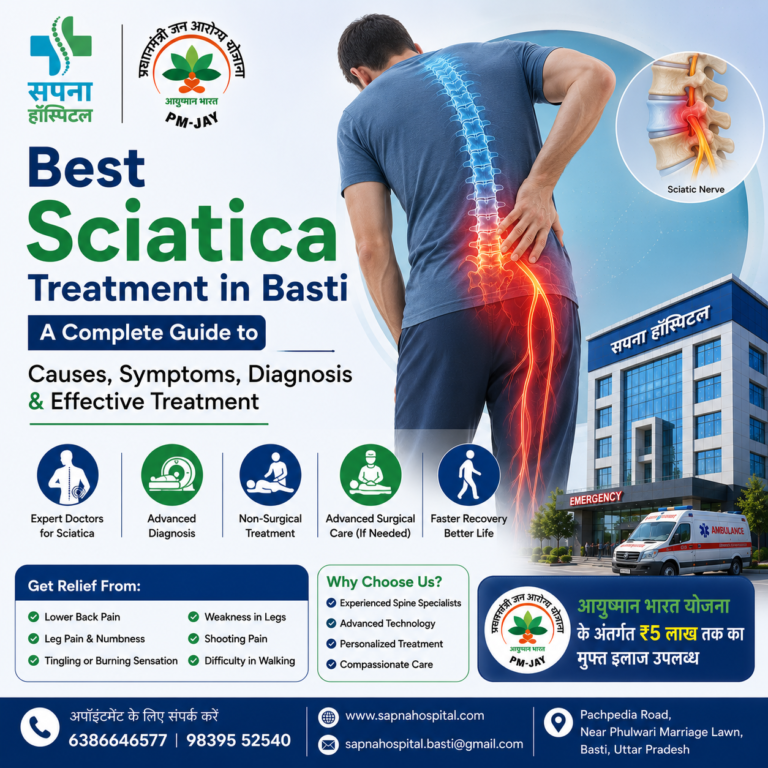
- Pain radiating to the legs (sciatica)
- Pain radiating to the arms
- Tingling sensation
- Numbness
- Muscle weakness
- Difficulty walking
- Difficulty standing for long periods
- Pain while sitting
- Increased pain during coughing or sneezing
In severe cases, patients may develop loss of bladder or bowel control, which requires immediate emergency medical attention.
Risk Factors
You may have a higher risk of developing a slip disc if you:
- Are above 35 years of age
- Lift heavy objects regularly
- Have poor posture
- Are overweight
- Perform physically demanding work
- Spend long hours sitting
- Smoke
- Have weak core muscles
- Have a family history of spinal disorders
When Should You See a Doctor?
Consult an orthopedic or spine specialist if:
- Back pain lasts for more than two weeks.
- Pain radiates to the legs or arms.
- You experience numbness or tingling.
- Muscle weakness develops.
- Walking becomes difficult.
- Pain interferes with daily activities.
- You lose bladder or bowel control (medical emergency).
Early diagnosis often leads to better outcomes and may reduce the need for surgery.
How is a Slip Disc Diagnosed?
A proper diagnosis is essential for identifying the exact cause of your symptoms.
Your doctor may recommend:
- Detailed medical history
- Physical examination
- Neurological assessment
- Digital X-ray
- MRI Scan (the preferred imaging test for disc problems)
- CT Scan (when required)
These investigations help determine the location, severity, and impact of the slipped disc.
Best Slip Disc Treatment in Basti
The Best Slip Disc Treatment in Basti depends on the patient’s symptoms, the severity of nerve compression, and overall health. At Sapna Hospital, Basti, treatment plans are individualized to provide the most appropriate care.
Non-Surgical Treatment
Many patients improve without surgery through conservative management, including:
- Pain-relieving medications
- Anti-inflammatory medicines (when appropriate)
- Physiotherapy
- Posture correction
- Activity modification
- Core strengthening exercises
- Heat or cold therapy (as advised by your doctor)
- Lifestyle modifications
Most patients experience significant improvement with these treatments.
Surgical Treatment
Surgery may be recommended when:
- Conservative treatment has not provided sufficient relief.
- There is severe nerve compression.
- Progressive muscle weakness develops.
- Bladder or bowel function is affected.
- Imaging confirms a condition that requires surgical intervention.
The decision for surgery is made only after a detailed clinical evaluation and review of imaging findings.
Role of Physiotherapy in Slip Disc Recovery
Physiotherapy is a key part of recovery and rehabilitation.
Benefits include:
- Pain relief
- Improved flexibility
- Better posture
- Stronger core muscles
- Reduced pressure on spinal discs
- Improved mobility
- Lower risk of recurrence
A structured rehabilitation plan helps patients return safely to daily activities.
Tips to Prevent Slip Disc
You can reduce your risk by following these healthy habits:
- Maintain correct posture while sitting and standing.
- Lift heavy objects using your legs, not your back.
- Exercise regularly.
- Strengthen your core muscles.
- Maintain a healthy body weight.
- Avoid prolonged sitting.
- Stretch frequently if you work at a desk.
- Sleep on a supportive mattress.
- Quit smoking.
- Stay physically active.
Why Choosing the Best Slip Disc Treatment in Basti Matters
Choosing the Best Slip Disc Treatment in Basti ensures access to:
- Experienced orthopedic and spine specialists
- Advanced diagnostic facilities
- Personalized treatment plans
- Evidence-based medical care
- Physiotherapy and rehabilitation
- Surgical expertise when medically indicated
- Comprehensive follow-up care
- Patient-centered treatment
Timely treatment can relieve pain, improve mobility, and reduce the risk of long-term complications.
Ayushman Bharat (PM-JAY) Card Facility
At Sapna Hospital, Basti, quality orthopedic and spine care is made more accessible through the Ayushman Bharat Pradhan Mantri Jan Arogya Yojana (PM-JAY).
Eligible patients may receive cashless treatment for covered procedures according to government guidelines and eligibility criteria. Patients are encouraged to verify their eligibility and covered services before admission.
The Ayushman Bharat (PM-JAY) Card facility helps eligible families access advanced orthopedic and spine care with reduced financial burden.
Why Choose Sapna Hospital, Basti?
If you’re searching for top-quality slip disc care in Basti, Sapna Hospital, Basti is here to help. They offer complete spine care—bringing together experienced specialists, modern testing tools, personalized treatment plans, physical therapy, and full recovery support to help you feel like yourself again.
Our Spine Care Services Include
- Slip Disc Evaluation
- Back Pain Treatment
- Neck Pain Management
- Sciatica Treatment
- Spine Care Consultation
- Physiotherapy & Rehabilitation
- Digital X-ray & Diagnostic Support
- MRI Guidance & Referral (when required)
- Surgical Consultation (when indicated)
- Fracture & Trauma Care
- Ayushman Bharat (PM-JAY) Card Facility for Eligible Patients
Our focus is on relieving pain, restoring mobility, and helping patients return to their normal routine with confidence.
Frequently Asked Questions (FAQs)
1. Can a slip disc heal without surgery?
Yes! Most people recover with simple steps like medicine, physical therapy, gentle exercise, and small daily changes. Surgery is usually a last resort—only needed if these other methods don’t help or if there’s severe nerve issues or weakness.
2. What is the most common symptom of a slip disc?
The most common sign is lower back pain that shoots down into your leg (often called sciatica). You might also feel numbness, a “pins and needles” tingling sensation, or weakness in your leg muscles.
3. Is walking good for a slip disc?
Gentle walking may help some patients, but the type and amount of activity should be guided by your orthopedic specialist or physiotherapist.
4. Does Sapna Hospital provide Ayushman Bharat (PM-JAY) Card facility?
Yes. Sapna Hospital, Basti offers Ayushman Bharat (PM-JAY) Card facility for eligible patients, subject to government guidelines and covered treatment criteria.
5. How can I prevent a slip disc?
Maintaining good posture, exercising regularly, strengthening your core muscles, lifting objects correctly, maintaining a healthy weight, and avoiding prolonged sitting can help reduce the risk.
Conclusion
A slip disc can really throw off your daily life, but with the right diagnosis and early care, most people bounce back completely. Ignoring steady back pain, shooting pain down your leg, or numbness can make things worse over time, so it’s best not to wait.
If you’re looking for top-notch slip disc care in Basti, Sapna Hospital, Basti is well-equipped to help. They offer complete spine care with experienced orthopedic specialists, modern testing, custom treatment plans, physical therapy, and rehab. They also accept the Ayushman Bharat (PM-JAY) Card to help make quality treatment affordable for eligible patients. Whether your pain is mild or severe, getting checked early can help ease the discomfort, get you moving freely again, and improve your overall quality of life.